
• Enquire Now*

B.Sc Nursing: An In-Depth Overview

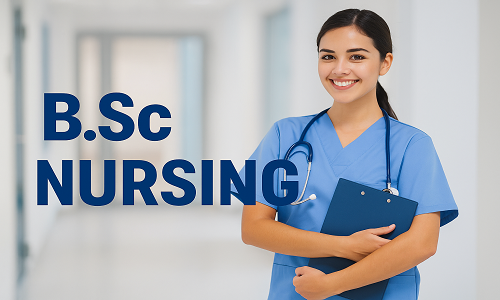
Bachelor of Science in Nursing (B.Sc Nursing) is a four-year undergraduate degree program designed to prepare students for a professional career in nursing. Recognized by the Indian Nursing Council (INC) and other regulatory bodies, the course combines theoretical knowledge with practical training to equip students with the skills necessary to provide quality healthcare services in a variety of settings. This program is one of the most sought-after courses for individuals who are passionate about serving others and playing a vital role in the healthcare system.

Course Structure and Curriculum

The B.Sc Nursing curriculum is a blend of classroom instruction, laboratory work, and clinical practice. The subjects covered typically include anatomy, physiology, microbiology, nutrition, psychology, medical-surgical nursing, community health nursing, pediatric nursing, obstetrics and gynecology nursing, and mental health nursing. The course also emphasizes research, leadership, and communication skills to help students become competent professionals.

Clinical training forms a significant part of the program. Students undergo hands-on experience in hospitals and healthcare centers, where they learn how to manage patients, administer medication, handle medical equipment, and work as part of a healthcare team. This exposure helps in developing practical skills and understanding real-world medical scenarios.

Eligibility Criteria

To be eligible for B.Sc Nursing, candidates must have completed their 10+2 education with Physics, Chemistry, and Biology as core subjects, and must have secured a minimum aggregate mark as specified by the institution or state guidelines. Additionally, many universities and colleges conduct entrance exams for admission into the course.

Career Opportunities

B.Sc Nursing graduates have a wide range of career options. They can work as registered nurses in hospitals, clinics, and nursing homes. They are also eligible for positions such as nurse educators, community health nurses, public health officers, and critical care nurses. With experience and further education, nurses can take on roles in healthcare administration, nurse research, and specialized nursing fields like oncology, cardiology, or emergency care.

Graduates also have opportunities abroad, especially in countries like the USA, UK, Canada, and Australia, where there is a high demand for skilled nurses. Additionally, a B.Sc Nursing degree can be a stepping stone for higher studies such as M.Sc Nursing or postgraduate diplomas in specialized areas.

Importance in the Healthcare System

Nurses are the backbone of the healthcare system. They not only provide direct patient care but also play a crucial role in health education, disease prevention, and community health services. The B.Sc Nursing program trains students to think critically, make informed decisions, and provide compassionate care, making them indispensable in hospitals, disaster relief efforts, and public health campaigns.

Conclusion

B.Sc Nursing is more than just a degree—it's a commitment to service, compassion, and professionalism. It opens up a fulfilling career that is both respected and in demand worldwide. For individuals who have a strong desire to help others, enjoy science and healthcare, and are ready to face challenges with empathy and resilience, B.Sc Nursing offers a meaningful and rewarding career path.

BCA

Bachelor of Computer Applications (BCA) is a three-year undergraduate program that focuses on computer science, programming languages, software development, and IT applications. It equips students with technical skills to build software solutions, manage databases, and work in areas like web development, cybersecurity, and data analysis across various industries.

4.2

BBA

Bachelor of Business Administration (BBA) is a three-year undergraduate program that provides foundational knowledge in management, finance, marketing, and entrepreneurship. It equips students with leadership, communication, and analytical skills, preparing them for diverse careers in the corporate sector, startups, or further studies like MBA and competitive examinations.

4.2

BPT

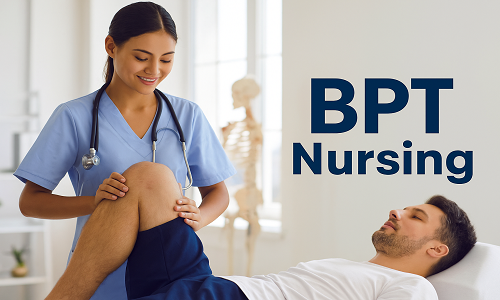
Bachelor of Physiotherapy (BPT) is a four-year undergraduate program focused on the assessment, diagnosis, and treatment of physical disabilities and movement disorders. It trains students in therapeutic exercises, manual therapy, and rehabilitation techniques to restore mobility, reduce pain, and improve overall physical health in clinical and community settings.

4.2

BMLT

Bachelor in Medical Laboratory Technology (BMLT) is a three-year undergraduate program that trains students in laboratory testing, diagnostics, and medical research. It equips graduates with skills to analyze blood, urine, and tissue samples, supporting accurate diagnosis, disease prevention, and treatment planning in hospitals, diagnostic labs, and research institutions.

4.2

BMRIT

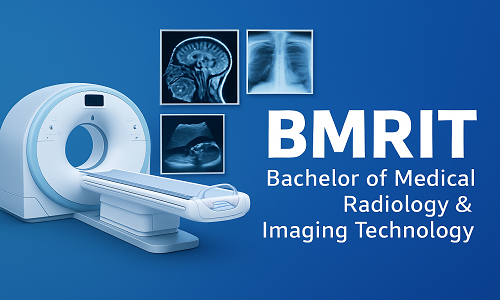
Bachelor in Medical Radiology and Imaging Technology (BMRIT) is a three to four-year undergraduate program that trains students in using advanced imaging equipment like X-rays, CT scans, and MRIs. It prepares professionals to assist radiologists in diagnosing diseases, ensuring accurate imaging, patient safety, and efficient healthcare service delivery.

4.2

GNM

General Nursing and Midwifery (GNM) is a three-year diploma course focused on preparing students to become skilled nurses and midwives. It covers subjects like anatomy, physiology, nursing fundamentals, and maternal care, enabling graduates to work in hospitals, clinics, and community health centers, providing essential patient care services.

4.2

Write Reviews

Top Most Demanded Skill in IT Sector Right Now


Java Script
Python
HTML/CSS
C#
SQL
C/C++
JAVA


Opening Hours

  • Mon - Wed :
    08.00 am - 10.00 pm
  • Thus - Sat :
    07.00 am - 08.00 pm
  • Sunday :
    06.00 am - 08.00 pm


Contact Us


Top IT Companies for Career


©EduTechBoom Pvt. Ltd, All Rights Reserved.